By CompareVehicleTracking Editorial Team · Updated 20 June 2026
Why hauliers invest in HGV tracking
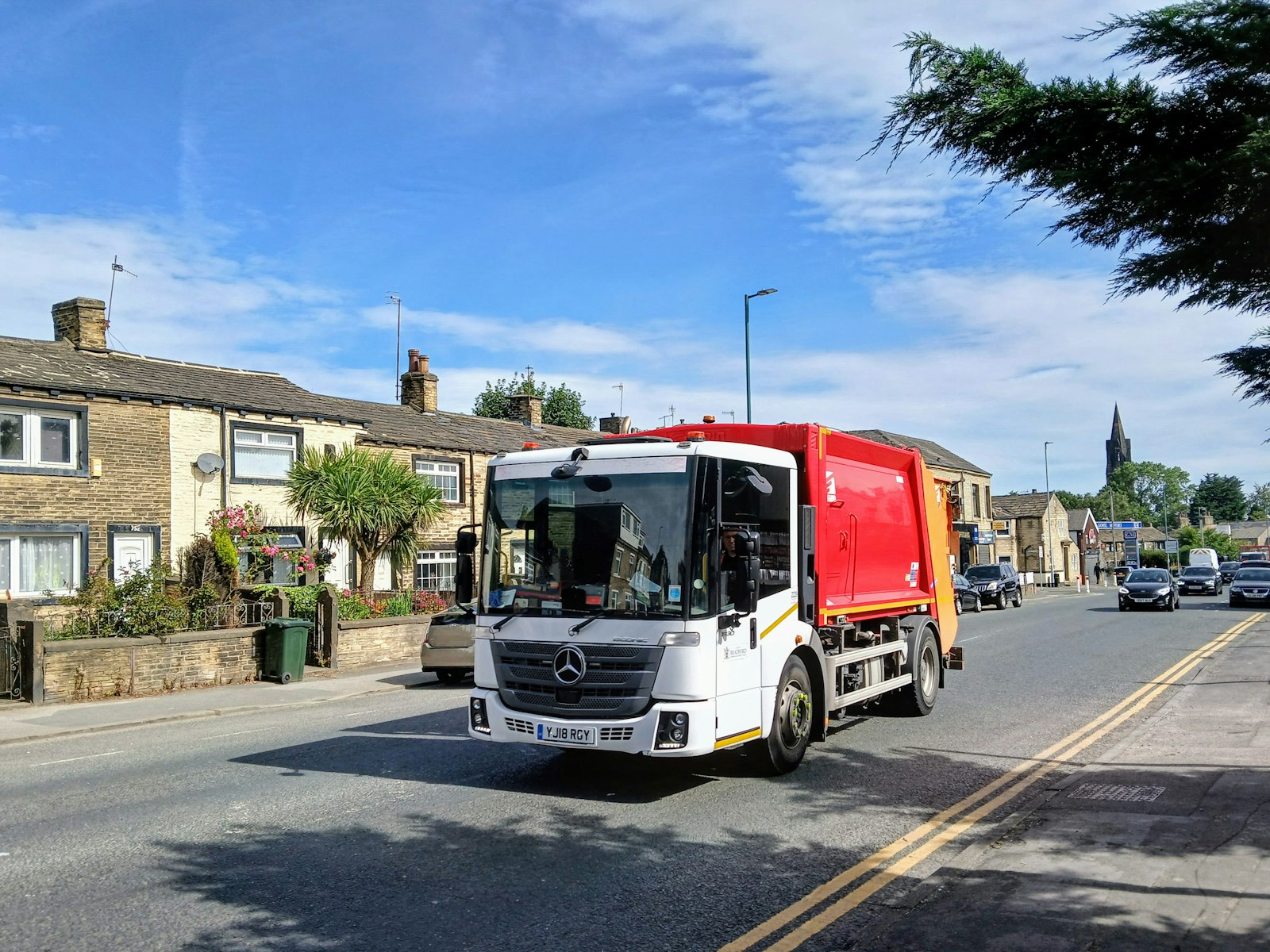
For an HGV operator, a missing or delayed lorry is rarely just an inconvenience. It can mean a blown delivery slot, an idle customer warehouse and a driver running out of permitted hours miles from base. HGV tracking exists to remove that blind spot, giving transport managers a live picture of where every vehicle is, how it is being driven and whether it is on schedule. Unlike tracking aimed at vans or cars, lorry tracking is built around the realities of long-distance, multi-drop and continental haulage, where assets are expensive, loads are valuable and the cost of getting it wrong is high.
The case usually comes down to three pressures every haulier recognises: tightening margins, demanding compliance expectations and the constant threat to high-value freight. A system that helps on all three at once is what most operators are really comparing when they look at truck tracking systems UK suppliers offer.
The compliance angle for lorry operators
Running HGVs brings record-keeping duties that lighter fleets simply do not face, and tracking technology can make those duties far less painful to manage. While the rules themselves sit with the operator, the right platform helps you capture and store the evidence in one place rather than chasing paper around the yard.
- Driver-hours and tachograph data: many systems pull or store digital tachograph and driver-hours information, helping you monitor patterns and keep records organised for inspection.
- Walkaround and defect checks: app-based daily checks let drivers log a vehicle's condition, flag defects and create a timestamped trail showing checks were carried out.
- Maintenance records: service intervals, inspections and repairs can be scheduled and logged against each vehicle, supporting a planned, auditable maintenance regime.
None of this replaces professional advice on your specific obligations, but it does mean the information sits in a structured, retrievable form. For many transport managers, that audit-readiness alone justifies the move from spreadsheets to a dedicated platform.
The efficiency and safety payback
Compliance is the floor; efficiency is where HGV tracking starts paying for itself. Fuel is one of the largest controllable costs in haulage, and tracking shines a light on the behaviours that waste it.
- Fuel and route efficiency: route planning, idling alerts and driver-style data (harsh braking, over-revving, excessive idling) help trim litres off every shift.
- Smarter scheduling: live positions let planners reallocate the nearest available lorry, reduce empty running and give customers accurate arrival windows.
- Driver safety: behaviour scoring supports coaching, while crash detection and incident footage can speed up and strengthen claims handling.
The combined effect is a fleet that runs leaner and demonstrably safer, which can also influence how insurers and clients view your operation.
Protecting high-value loads
For hauliers carrying valuable or sensitive freight, security is often the deciding factor. A loaded trailer is a tempting target, and recovering a stolen vehicle is far easier when you can see exactly where it is. Geofencing can alert you the moment a lorry leaves an approved route or yard, while tamper and door sensors flag unauthorised access to the load. Where a trailer is dropped and left, dedicated asset tracking keeps eyes on it even when no cab is attached. Battery-powered units can stay live for long periods, so a parked or stolen trailer keeps reporting its position regardless of where it ends up. For high-risk lanes, this layer of protection can be the difference between a quick recovery and a total loss, and it is often the feature operators value most after their first near-miss.
Features to compare for HGVs specifically
This is where a generic quote falls short. The features that matter for a 44-tonne artic are not the same as those for a sales fleet, so when you compare HGV tracking options, weigh the capabilities that map to your work.
| Feature | Why it matters for hauliers |
| Trailer tracking | Keeps visibility of trailers that are dropped, swapped or left unattended between jobs. |
| Temperature monitoring | Records and alerts on reefer conditions, helping protect chilled and frozen loads in transit. |
| CANbus / engine data | Reads fuel use, mileage, fault codes and odometer readings straight from the vehicle. |
| Integrated dashcams | Provides road and in-cab footage for incident defence, training and driver protection. |
| Tachograph integration | Brings driver-hours and tacho data into the same platform as your tracking. |
Not every operator needs all of these. A general haulier may prioritise trailer tracking and dashcams; a chilled-distribution business will treat temperature monitoring as non-negotiable. Knowing your must-haves before you compare keeps quotes genuinely like-for-like.
What HGV tracking typically costs
Pricing for truck tracking systems UK operators use depends on hardware, contract length and how many advanced features you bundle in. As a rough guide, expect to think in terms of an upfront or hardware element per vehicle plus an ongoing monthly subscription, with discounts common across larger fleets. Basic location-only tracking sits at the lower end of the range, while packages adding dashcams, temperature sensors, trailer units and tachograph integration move you toward the upper end.
Rather than chasing the cheapest line, weigh the monthly cost against the savings on fuel, downtime and insurance, and against the value of a single protected load. For many hauliers the system pays for itself well inside the first contract term, which is why total value matters more than headline price when comparing suppliers.
How to compare suppliers with confidence
The smartest approach is to shortlist on the features your operation actually depends on, then put providers side by side on hardware quality, contract terms, support and reporting. Ask how each platform handles trailers, refrigerated loads and driver-hours, and check that the dashboard suits the way your transport office works day to day. Getting several tailored quotes is the quickest way to see the real differences in coverage and cost.
Ready to compare? Use the form below to receive free, no-obligation HGV tracking quotes from up to 3 trusted suppliers, and find the right fit for your fleet in minutes.